


Gardening with Native Plants and Rabbits!
Strategies for coexisting.

It’s one of the perplexing paradoxes of gardening with native plants. We plant natives to create, support and enhance habitat. And before you know it, the local denizens arrive and they are eating the plants! Mission accomplished. Rabbit populations come and go. If you are in a peak bunny rabbit situation, you may feel like the perennials in your garden are no more than a disappearing buffet. Last year I planted a half flat of aster plugs one afternoon.

The next day I was out in the garden, looked at where I planted the plugs and thought "that's weird, I guess I thought about planting there but didn't ... and then realized, wait a minute, I DID plant there!" Rabbits. While providing food to small mammals is an important function of native plants, there are strategies you can use to better coexist – gardener and bunny, side by side. Here are a few ideas and if you have had success with others, please do share in the comments.
Scented Plants

mountain mint 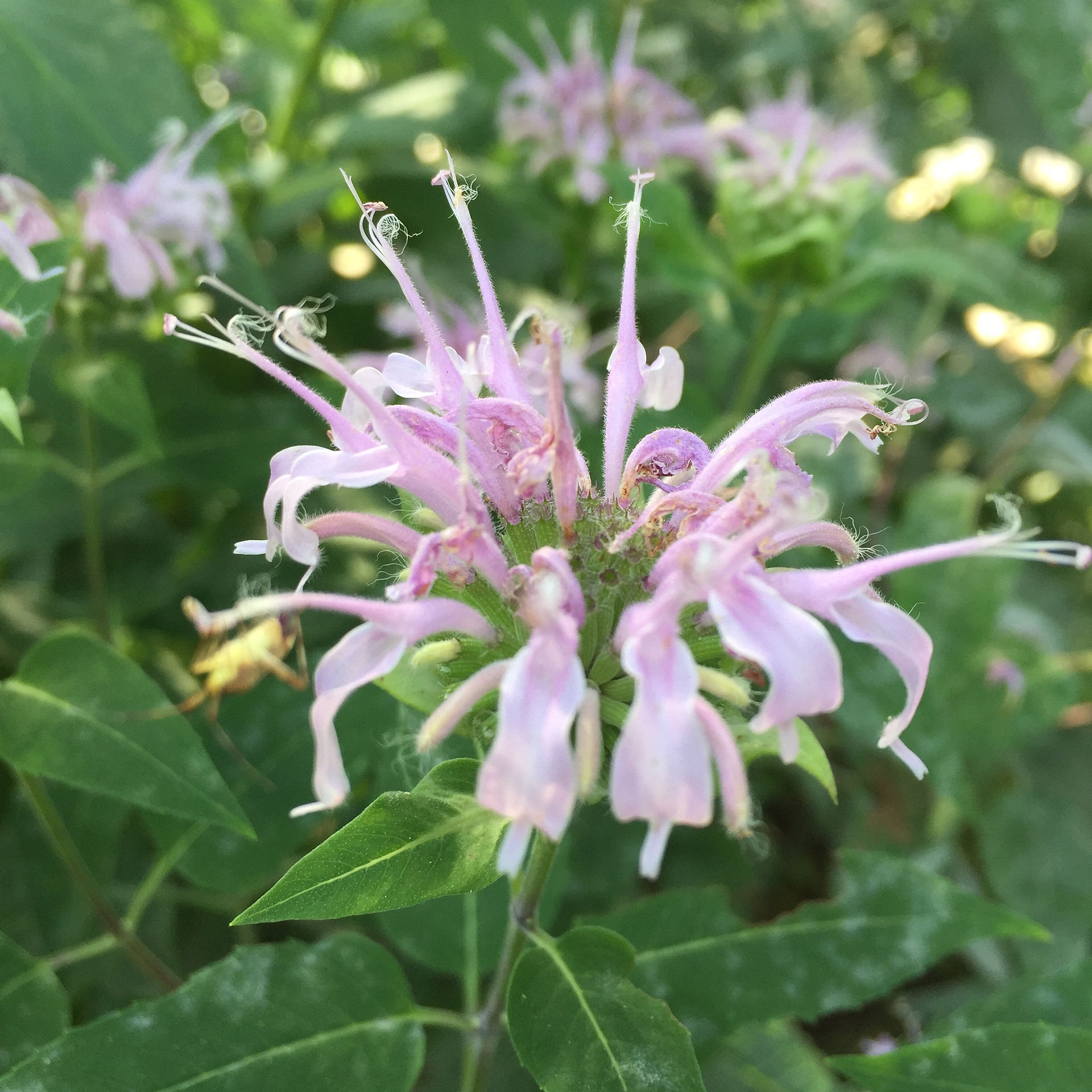
bee balm 
blue hyssop
Certain scented perennials tend to be resistant to rabbits. At the top of many lists is mountain mint (Pycnanthemum muticum). A fairly adaptable perennial for sun and part shade providing long lasting minty green color and structure to a garden bed, mountain mint is also a pollinator magnet. Other scented plants rabbits don't prefer include bee balm (Monarda fistulosa) and blue hyssop (Agastache foeniculum).
Rough and Tough Flowering Perennials

false indigo 
goldenrod 
solomon's seal 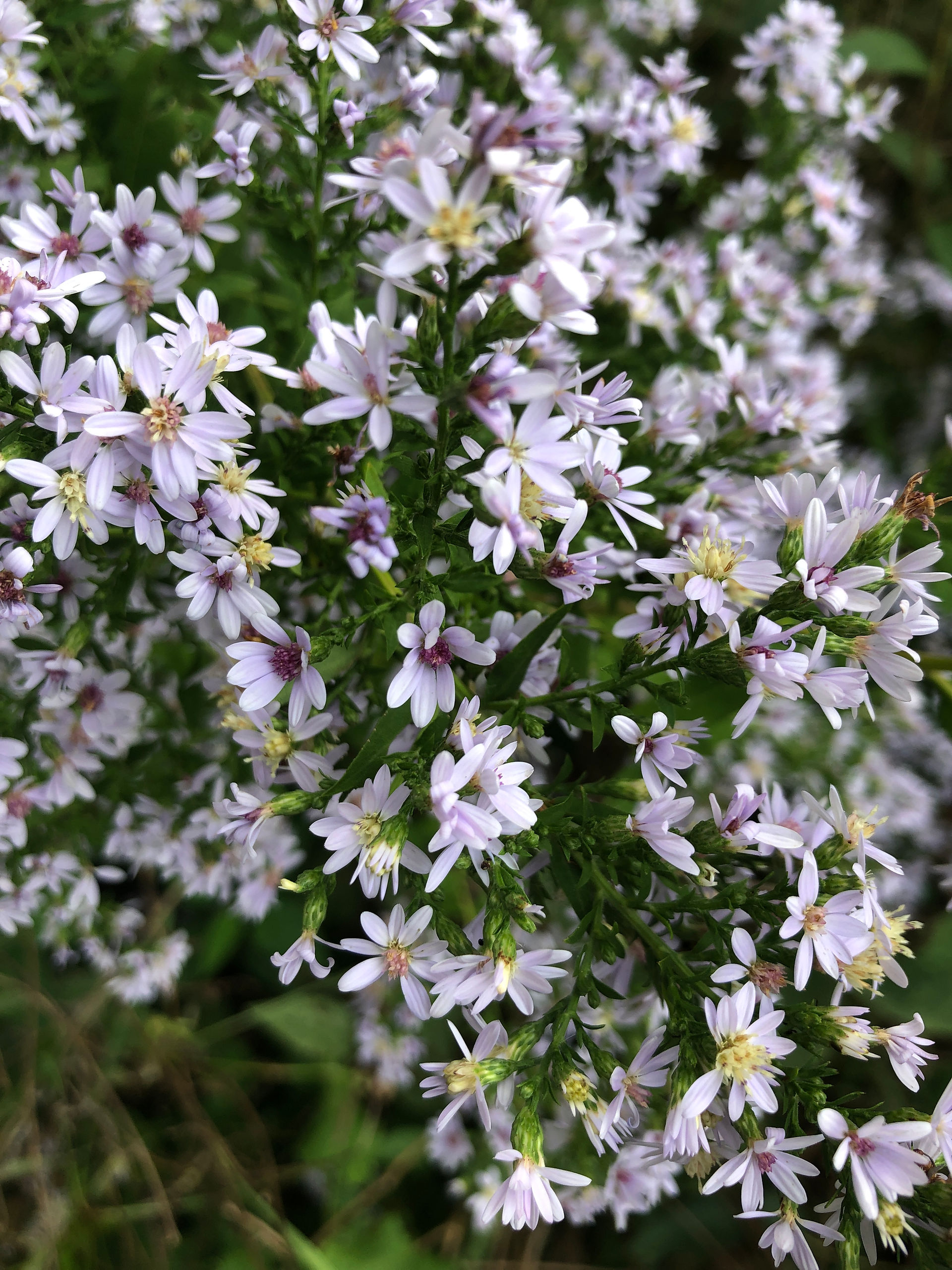
white wood aster 
New England asters
Another category of plants that tend to be rabbit resistant are plants with thicker or rougher stems. Plants falling into this category include:
False Indigo (Baptisia australis) (late spring blooming, full sun)
Goldenrod (Solidago) (fall blooming, sun and part shade)
New England Aster (Symphiotrichum novae-angliae) (fall blooming, sun)
Solomons Seal(Polygonatum biflorum) (late spring blooming, shade)
White wood aster (Eurybia divaricata) (fall blooming, shade)
Other Flowering Perennials

black-eyed susans tickseed 
eastern columbine foamflower 
penstemon
There are other flowering herbaceous plants that don't seem to attract rabbits yet don't fit into one of those categories. Thankfully, it's a robust list of native perennial favorites!
Black eyed susans (Rudbeckia fulgida) (summer blooming, sun, part shade)
Coreopsis (Coreopsis) (summer blooming, sun)
Eastern columbine (Aquilegia canadensis) (spring blooming, shade)
Foamflower (Tiarella cordifolia) (spring blooming, shade)
Penstemon (Penstemon digitalis) (early summer blooming, sun, part shade)
Groundcovers

dwarf crested iris 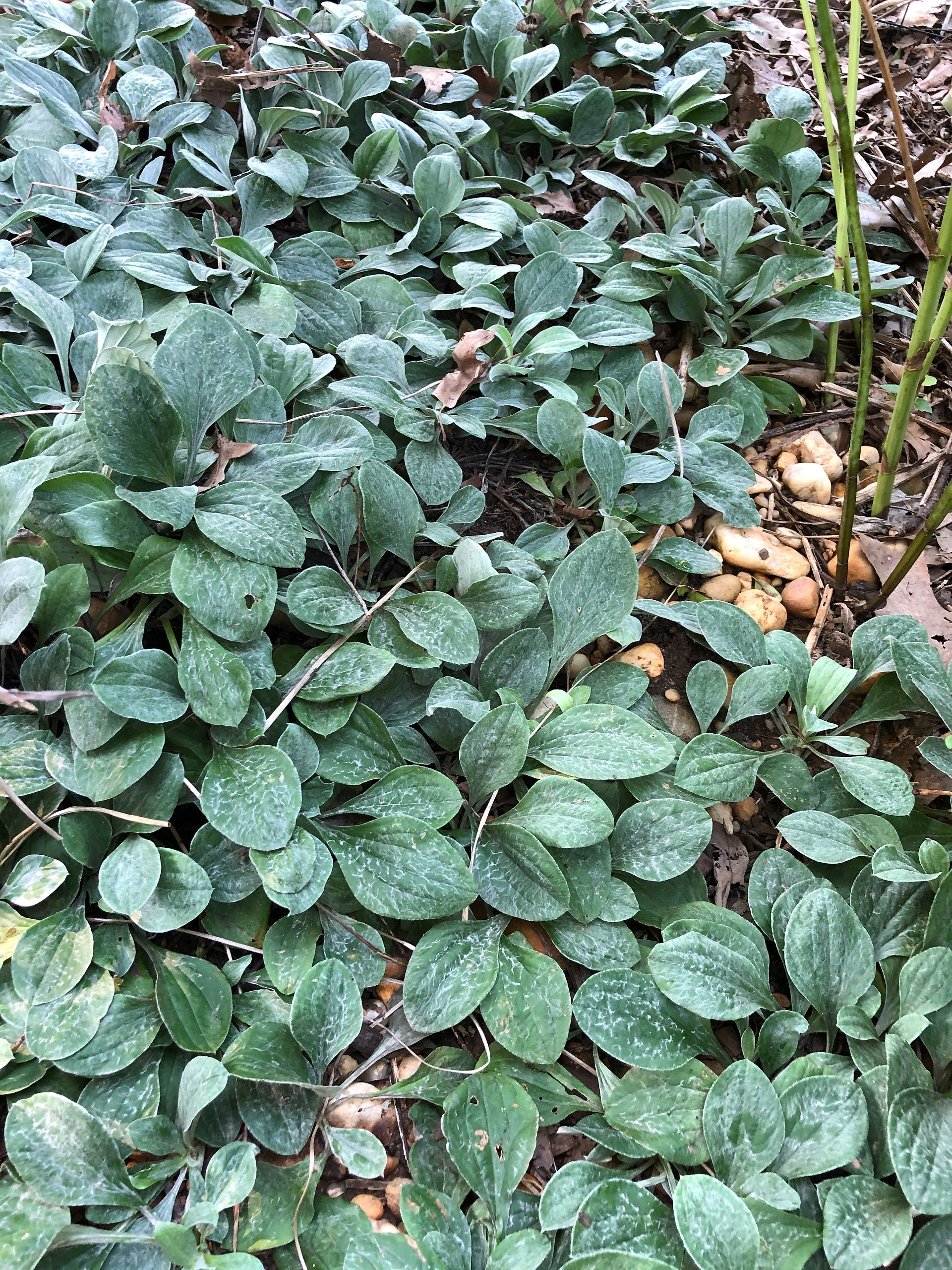
pussytoes 
seersucker sedge 
wild ginger
Dwarf crested iris (Iris cristata) (part sun, part shade, shade)
Pussytoes (Antennaria plantaginifolia) (full sun)
Seersucker sedge (Carex plantaginea) (shade, part shade)
Wild Ginger (Asarum canadense) (shade)
Caging Newly Emerging Plants and Tender Growth
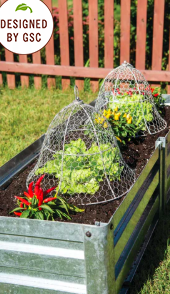
individual plant cloche 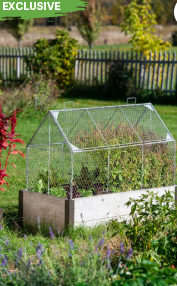
multi plant cover 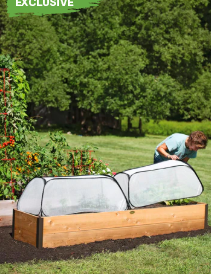
pop-up tents
It's no secret that tender new growth on any young plant is very enticing to all sorts of wildlife. I know I'll always take tender new salad greens over a tough head of lettuce that has bolted to seed. Rabbits share our preferences for succulent plants. Plant newly emerged black eyed susans and though the mature plants may not be appetizing to rabbits, those small new leaves will be. Creating a temporary protective cover to allow water and sun in and keep animals out may help your new plantings reach their more mature and rabbit resistant stature. You can create something simple with a roll of chicken wire and stakes or use any number of pre-made cloches or other protective structures. These are all examples from the Gardener's Supply Company, the employee owned gardening supply company in Vermont. You could also use a wire mesh trash or storage bin too. If you can, include a cover for that enclosure as rabbits can easily jump three feet and more. If you go down the proverbial internet rabbit hole, you will learn about jumps of 10 feet and at 35 mph! True? I don't know!
Don’t Give up on Eaten Plants
Newly emerging plants may get eaten but if the root systems have remained in ground, continue to care for the plants. There is a decent chance the root systems will support regrowth of the foliage. I have seen plants munched to the ground several times and still re-emerge. Not always the case but it happens often enough to give it a try.

Alas, Nothing is 100% Effective
These are strategies for coexisting. The Penn State Extension Service has a robust list of native and non-native plants it finds to be rabbit resistant you may want to peruse. As we all know, if an animal is starving, it will eat just about anything it can find. Which leads to the last strategy. Abundance. The more plants you can grow, the better the chances, there will be enough for you and your local visitors. Easy to say, I know!
Happy Gardening.


For cloches, I use wire wastebaskets from the dollar store, turned upside down and secured with landscape pins much cheaper! You can order them online. I have experienced taller plants being "walked down" by rabbits to get to tender tops. These I spray with Liquid Fence.
This is very good, and your ending is spot-on. And the part about caging is great, too! Unfortunatly, many of the plants listed here have been eaten by rabbits in my garden, but as you say nothing is 100% effective. One additional strategy I've used is planting Alliums around the garden. They help protect other plants, and investing in them is not a lost cause. Rabbit damage is nearly nonexistent for my Allium plants. OK, I've gone on too long about Alliums, but they are great, easy rabbit-repellent plants. :) Wonderful post!
I have hundreds of violets all over my yard. They came with the house and when I discovered that they were the host plant for fritillaries, I let them grow. I do remove them when they are overcrowding other species, but the rabbits love them so I leave a healthy amount. The rabbits seem to leave everything else alone as long as there are violets!
Rabbits and deer are big problems for my garden. We are in the middle of woodland, so there is high pressure. I have also found that in addition to the plants you mention Gillenia, Carex Flaccosperma, Stokesia, and Symphyotrichum Oblongifolium are left alone in my garden. Using cloches is an excellent recommendation - - - I found that the rabbits ate my young seedlings of Rudbeckia Hirta, but if they managed to get some height they left them alone. Thanks so much for this article and the link to the Penn State list of plants resistant to rabbits.
They're such cute, destructive, little garden friends! Abundance has definitely helped during the growing season, but some of my shrubs suffer overwinter when they chew the stems down.