


Native Plant Spring Events & Resources Ahead!
Updated: May 14
Loads of Fantastic Options to Choose From!

Our spring equinox is just over four weeks away! The tips of serviceberry (Amelanchier laevis) branches are beginning to swell. You may also notice other signs of lengthening days in your garden. This natural energy in nature is matched by an incredible array of native plant gardening opportunities this spring. Here are a few of the dozens coming our way that you might want to check out!

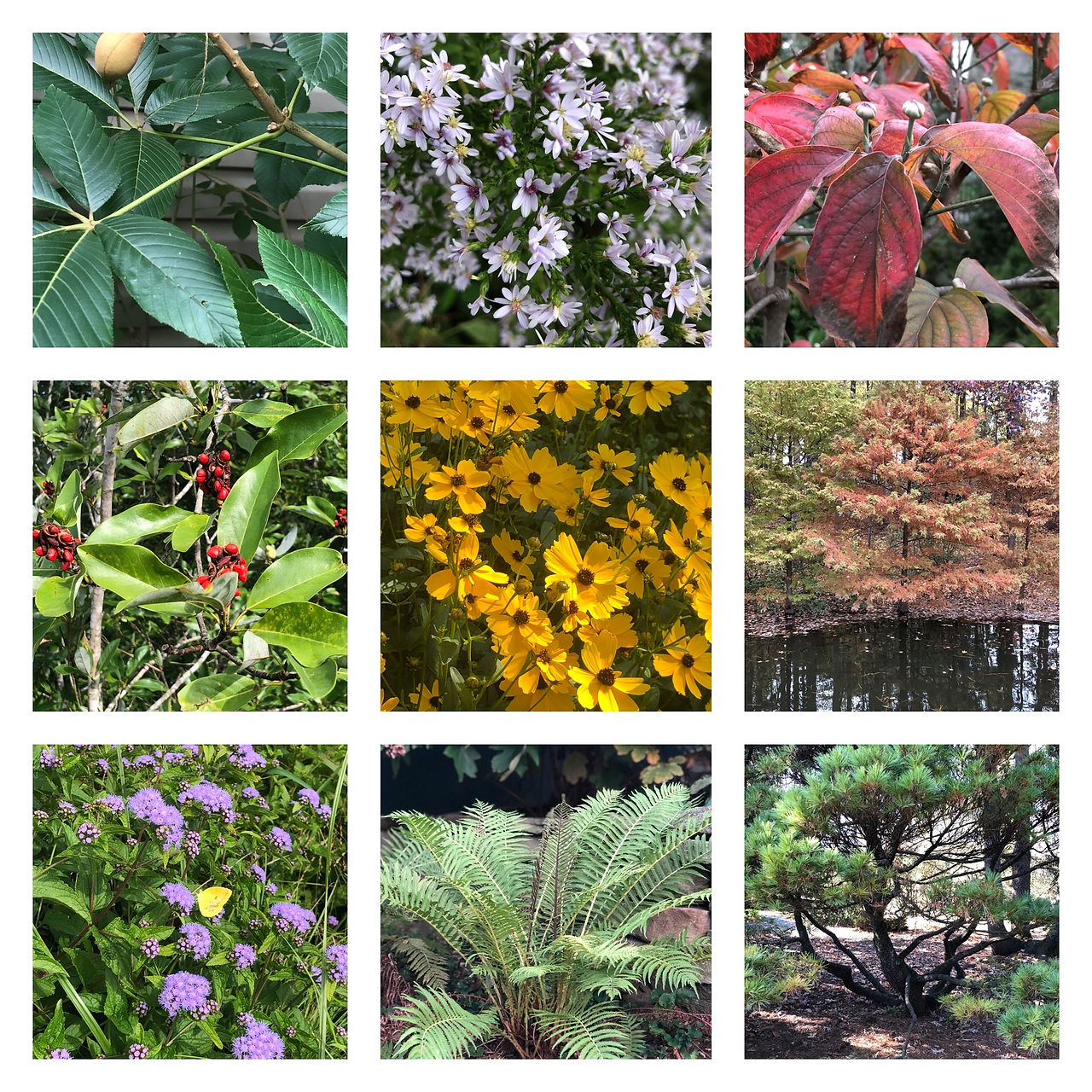
Landscape Design
I recently discovered what I believe is one of the best resources for transforming your yard into a native plant garden. The one-hour free webinar, "Design Your Yard," hosted by Heather and Zoe Evans, is perfect whether you plan to do it yourself or hire a professional. This webinar helps you organize your thoughts and sketch out the basic layout of your garden using just pencil and paper. It's super easy!
If you've completed that exercise and want a bit more guidance, consider joining the two-part class with Jason Gedeik, Senior Horticulturist at Brookside Gardens in Montgomery County, Maryland. You may recognize Jason's name from the annual GreenScapes Symposium he has hosted for several years.
The two virtual lectures cost $15 each and are open to everyone. You’ll learn the core principles of landscape design to create outdoor spaces that are both functional and beautiful. To register, you will need to create an account with Montgomery County here.
Introduction to Landscape Design I
Thursday, March 5, 7:00 – 9:00 PM
Introduction to Landscape Design II
Thursday, March 19, 7:00 – 9:00 PM

In-Person Talk & Gathering
All gardening is local! This year's Unity Gardens Annual Spring Lecture features Anne Arundel County gardener and sustainable gardening expert, Allison Milligan. Scheduled for 10 AM on March 14, 2026, at St. Martin's Lutheran Church in Annapolis, this talk will cover practical ideas for both novice and experienced native plant enthusiasts alike. The gathering is always well attended, and you are sure to meet a new gardener or three! More information can be found here. The $40 ticket helps support Unity Gardens' grants for local native plant gardens.
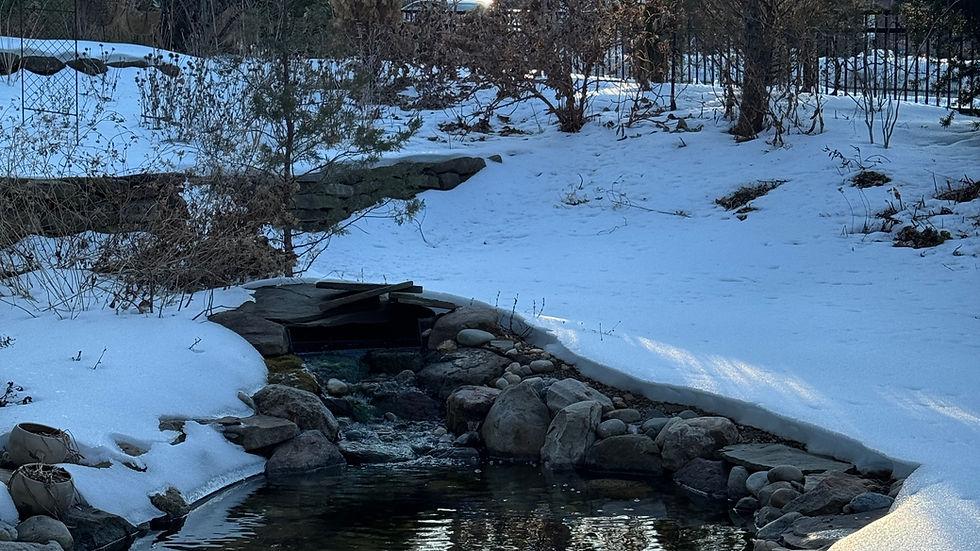
Building a Wildlife Pond
A water source in your garden adds immeasurably to its wildlife value. Some people go straight to building a pond. My journey was slower; I started with one bird bath, then another, and eventually added a small pond. Now, I have a slightly larger one! Each step visibly increased the wildlife experience in my garden.
A webinar entitled "Here’s Exactly How to Build Your Wildlife Pond" will be held on Tuesday, April 7, at 6 PM. This is hosted by Design Your Wild, the same mother-daughter duo who run the free webinar "Design Your Yard" mentioned earlier. The pond workshop is only open to annual subscribers of Design Your Wild. An annual subscription costs $30, and you can sign up here. This subscription gives you access to all of their webinars for free. I also really enjoyed "Yardenalities," which helps you find your perfect garden style. Based on the two webinars I have taken, I'm confident the pond webinar will be excellent!
The Design Your Wild description states, "If you’ve always wanted to create a small pond but have been too intimidated to start, this is for you. Wildlife need clean drinking water to survive, and many threatened species breed or live in water. Unfortunately, many sources make pond building overly complicated—and less valuable for wildlife. By the time you leave this interview with scientist and author of Building Natural Ponds Robert Pavlis, you’ll be ready to build your wildlife pond—without pumps, filters, or chemicals."
All You Ever Wanted to Know About Gardening with Natives in the Piedmont

There is a new, phenomenal, free resource for those of us who garden in the Piedmont. This 135-page downloadable book is an absolute treasure trove of native plant advice. It includes a simple chart showing how to get blooms from native plants all season long. Check!

It also features easy-to-use photos for identifying native weeds. Local plants for dry shade are listed in an easy-to-use format. And so much more! The information is clearly organized and presented. The very best news? Versions for the coastal plain and mountain ranges are coming in the next two years. While designed for Maryland's Piedmont, gardeners in Washington D.C. and other Chesapeake Bay states will find plenty of useful, applicable information too. Congrats to the University of Maryland Extension Service and your partners—this will be a bestseller! And it's free!
All gardening is local, and so many organizations, communities, businesses, and gardeners are providing information, plant sales, events, and so much more to help us all succeed with our gardening dreams. If you have favorites you want to share, please add them in the comments!
Happy Gardening!


Six years ago, I began planting native shrubs inside our (invasive) privet hedge. It was a step towards losing the lawn without having my husband pull his hair out. This winter I began wondering if I could begin to plant native grasses and flowering native plants inside those edges, leaving a rounded lawn in the center. I'm ready to do that this year and my husband is on board!
Thank you for sharing this. I see that the paper version of the Piedmont booklet is sold out, so I will lie in wait. I've heard that Pope Farm opens to the public briefly every year. I was wondering if you have any information about that?